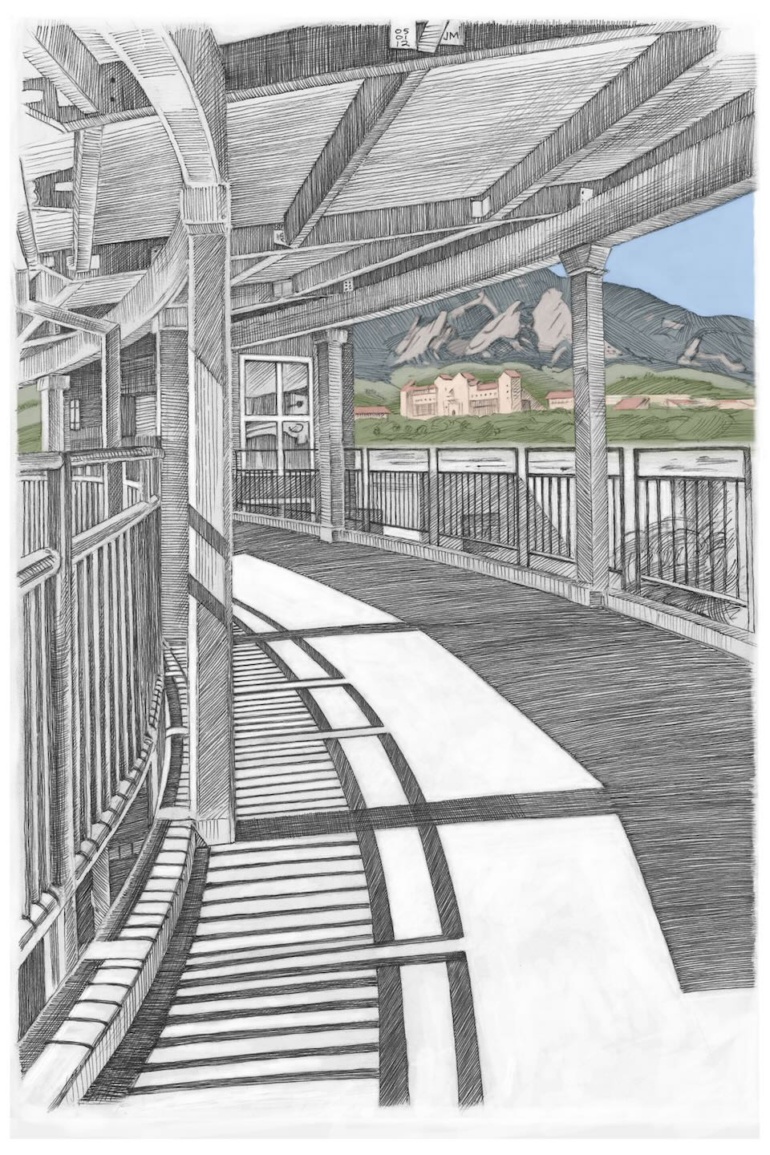
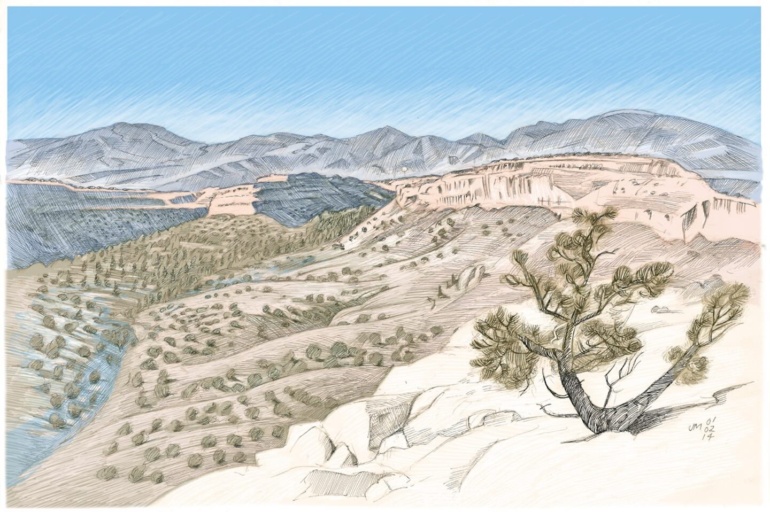
Jon has been drawing since he was 16 years old. He grew up in Los Alamos, New Mexico, a town where scientists pursued the scientific method amidst the extraordinary geology of the Pajarito Plateau. During his upbringing in Los Alamos, Jon gradually began to pay attention the dynamic beauty of northern New Mexico, and wanted to find a way to express what he was experiencing.
Jon taught himself how to draw, but had lots of encouragement from school teachers. At first, his first drawings were experiments, as he did not understand how to translate the perspective seen by the human eye on to a two-dimensional piece of paper.
At the same time, Jon developed an interest in meditation, and was able to link that to drawing outside. Frederick Franck’s book ‘The Zen of Seeing’ as well as ‘The Awakened Eye’ influenced him. Franck talked about the process and joy of observing of the world through drawing; and so for Jon, the process of observing and drawing became a pursuit in itself, with the natural world the subject.
Jon was also a fan of the cartooning of Charles M. Schulz, the creator of Peanuts. He was inspired how Schulz’s simple line drawings could evoke so much reflection about the human condition. Not only did Charles M. Schulz use a single pen line in his successful work, but another artist working in a similar medium caught Jon’s eye: Earl Thollander, whose books of pen-and-ink drawings from his travels inspired Jon with drawings of the the landscapes he traveled through, and the expressive way he shared what he observed.
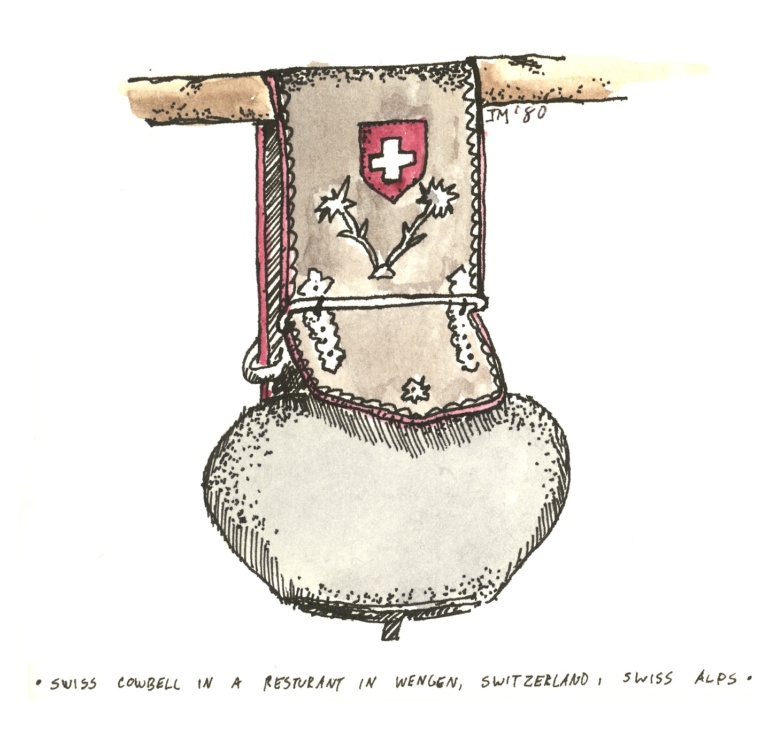
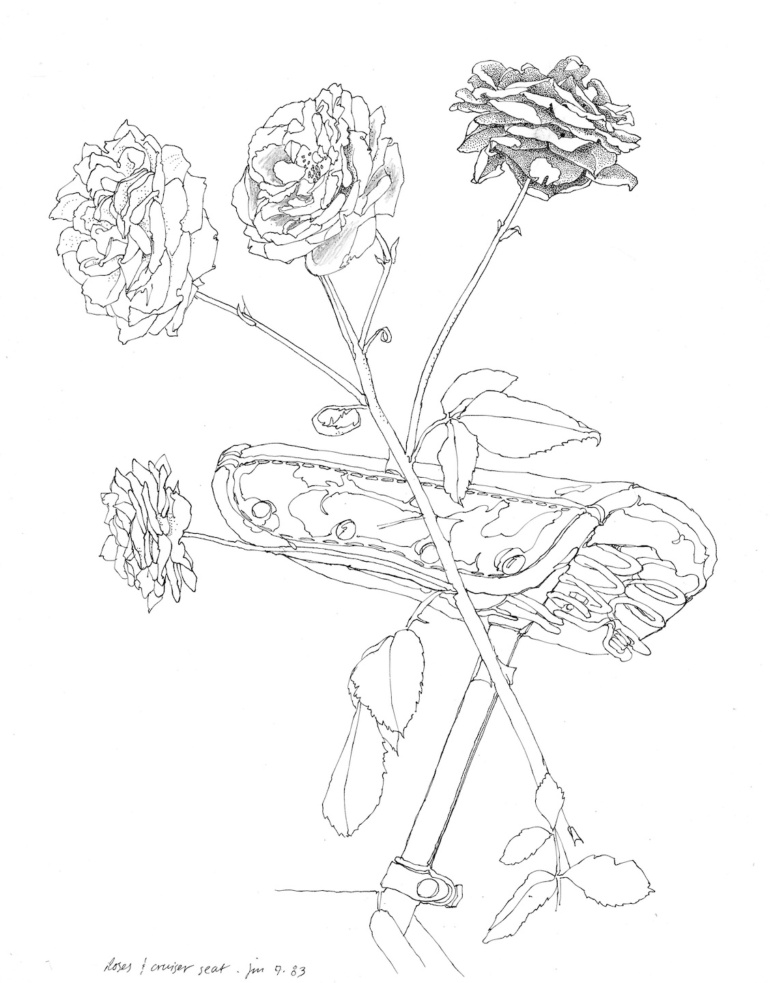
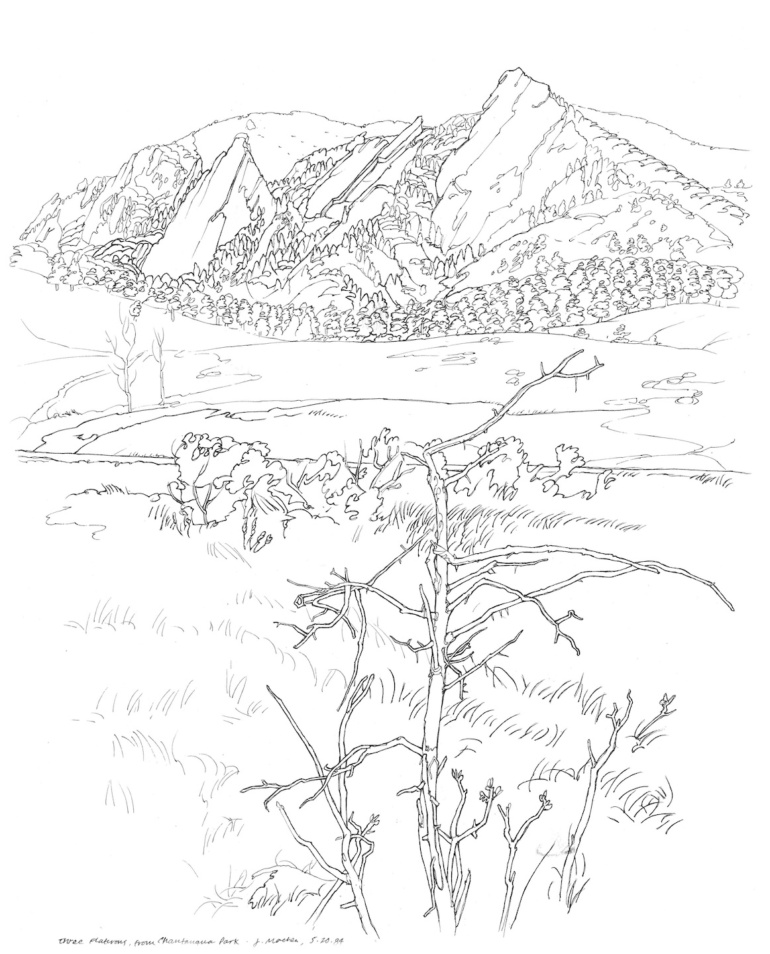
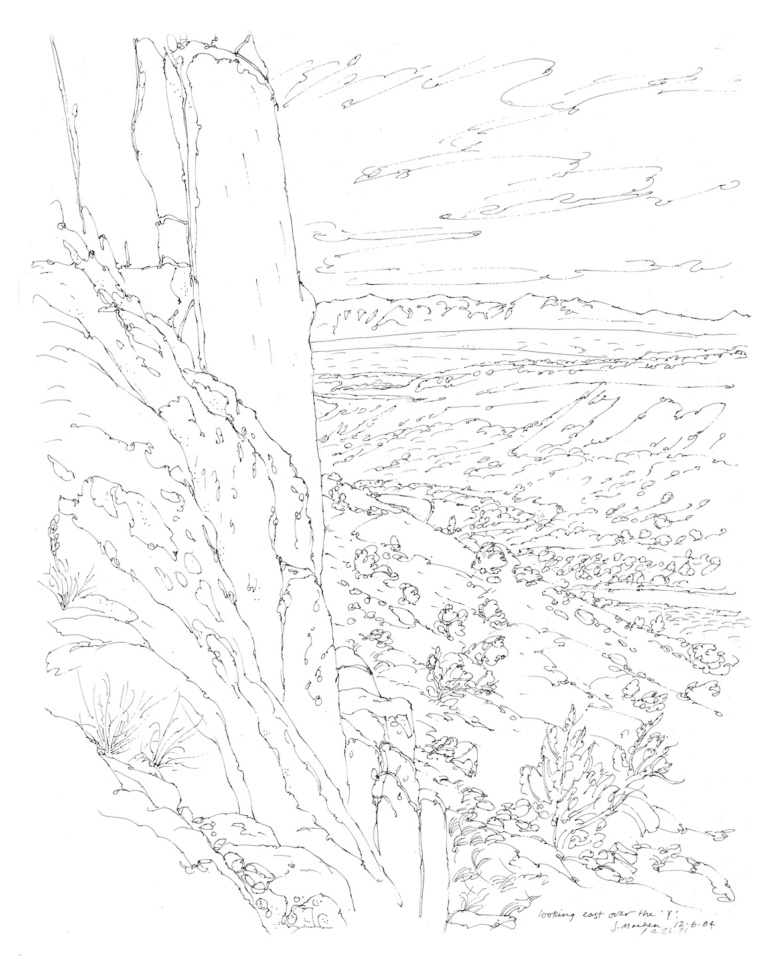
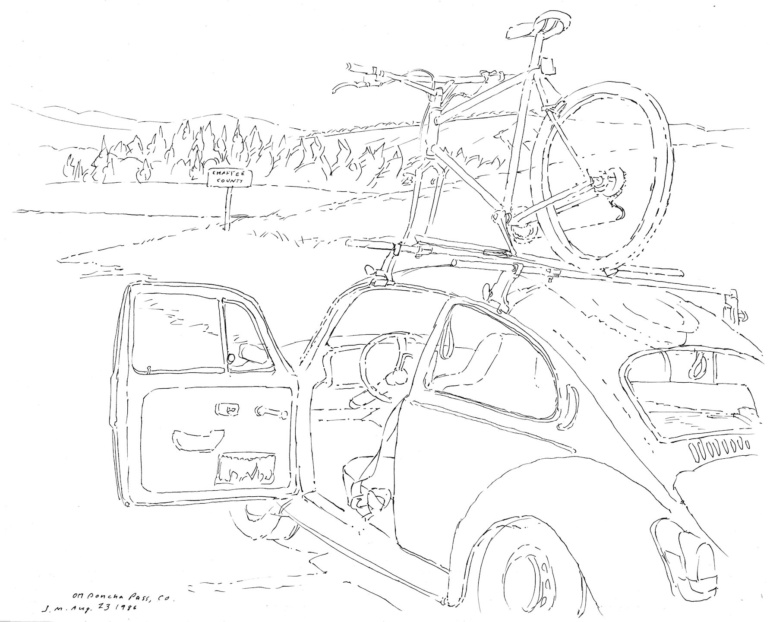
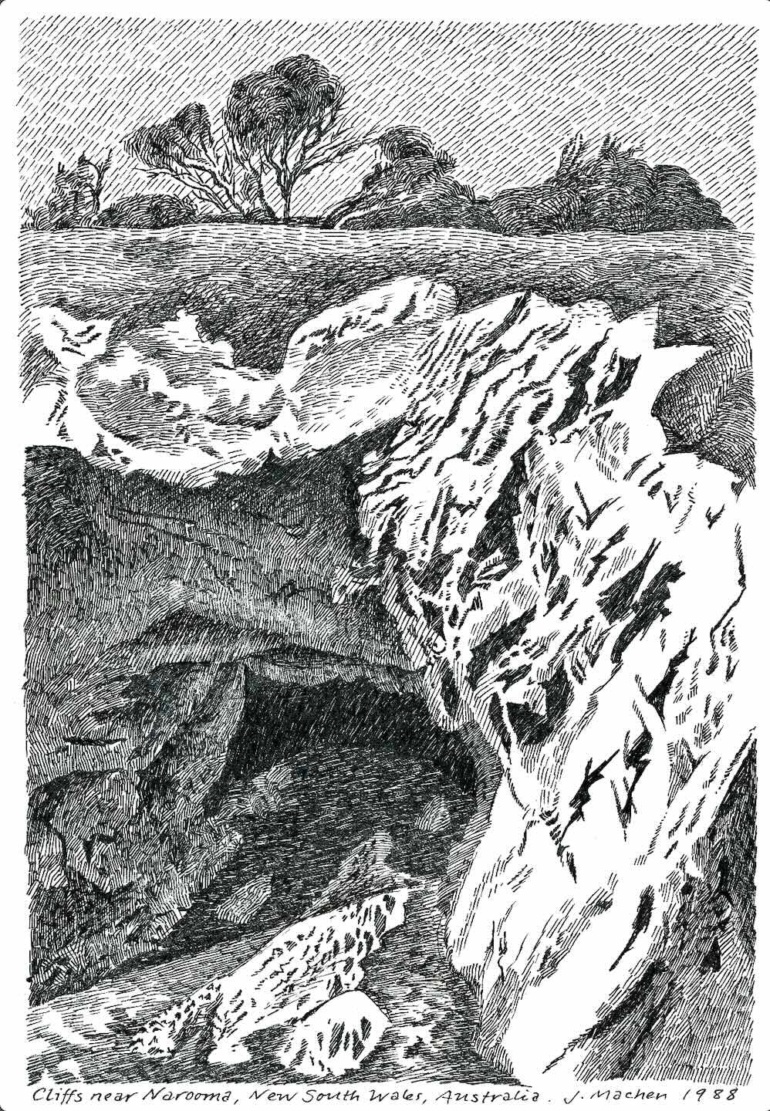
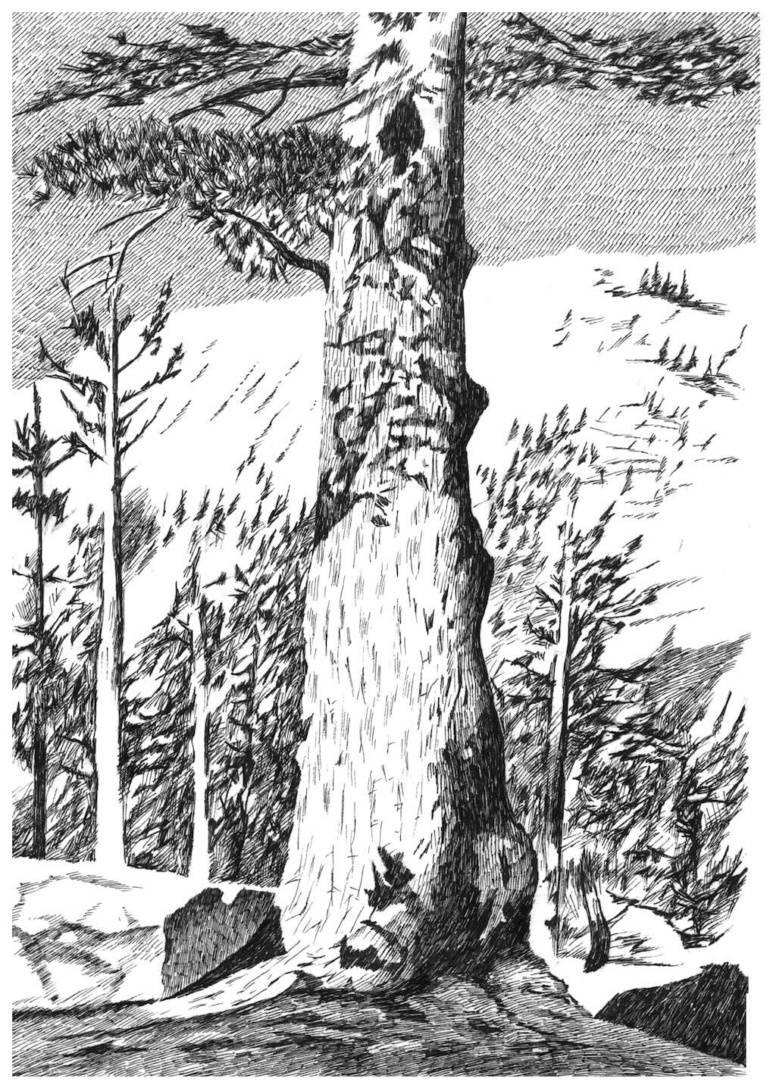
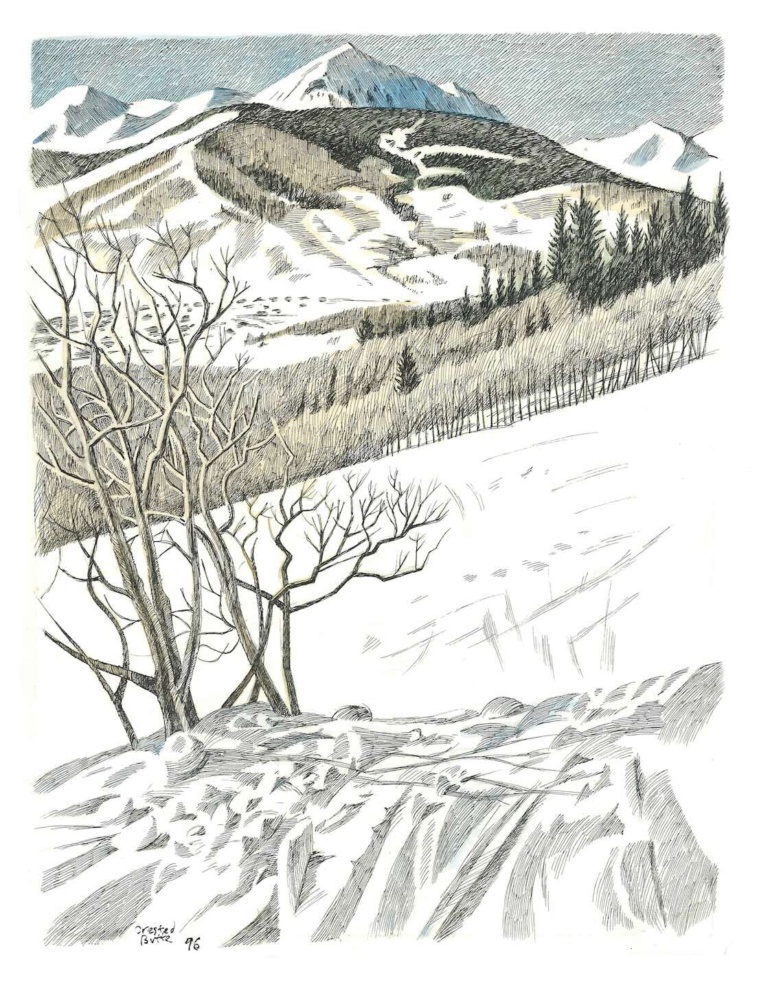
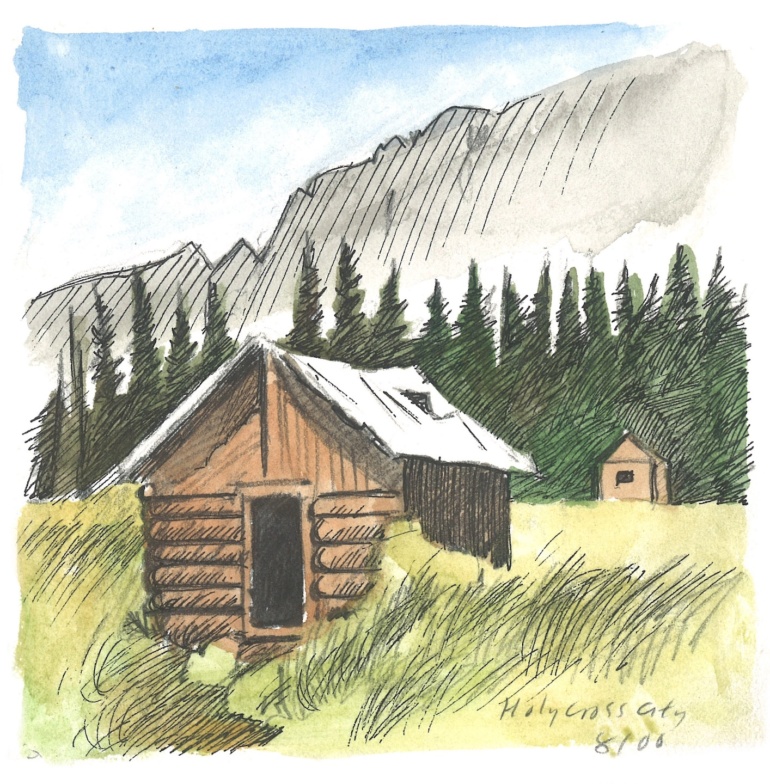
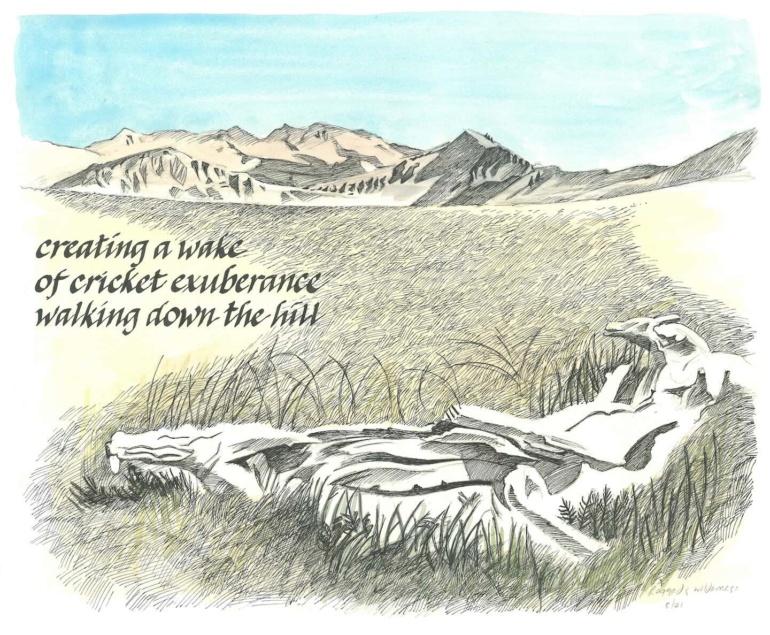
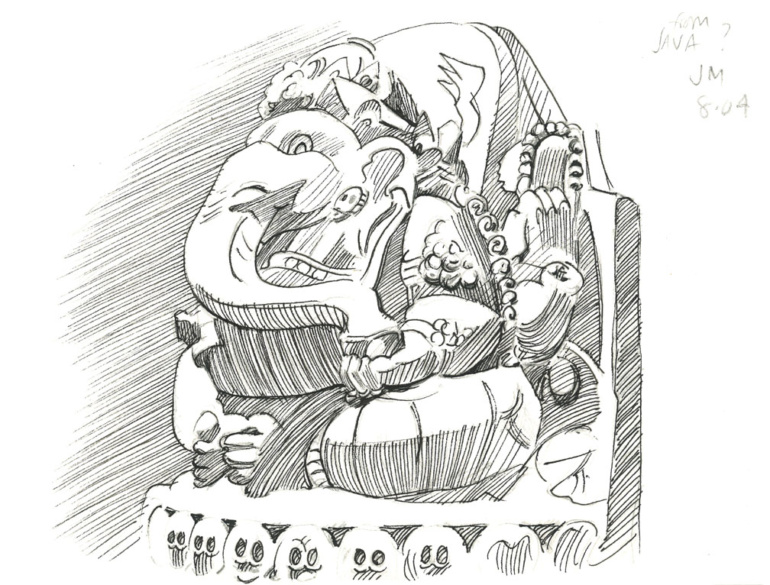
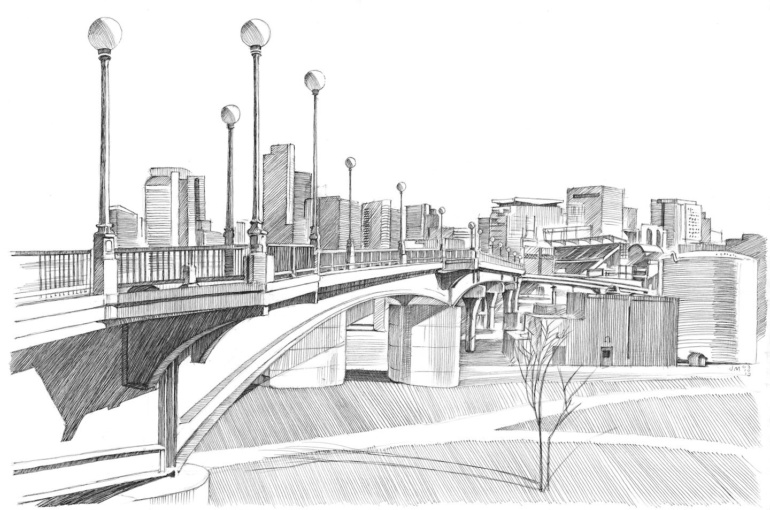
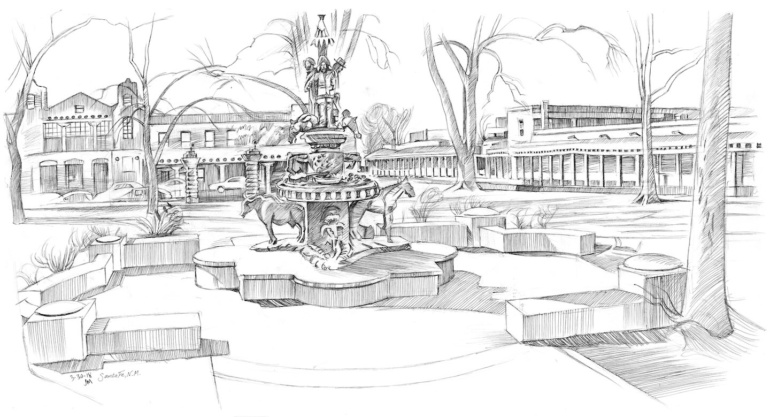
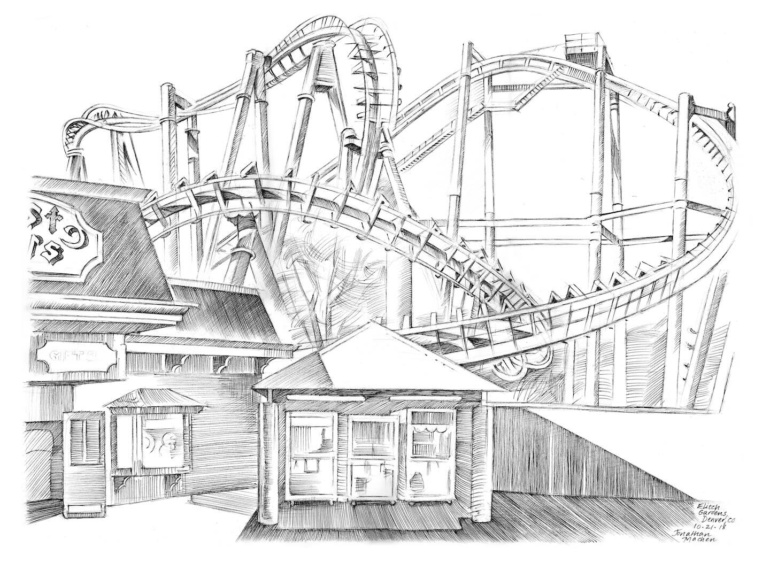
Jon decided to use pen-and-ink as a vehicle for artistic exploration, and so his earliest open-air drawing experiments were all done directly with a thin line of ink (usually with a rapidograph technical pen). This approach calls for something radical: putting a line down that you can’t erase, thereby ‘erasing’ the notion of success or failure.
Jon used that proposition to accompany his forays into observation. After much practice, he was able to incorporate into his compositions a sense of what he was experiencing: perspective and composition. Observation by drawing, or ‘plein-air pen-and-ink’, became the road map.
Jon studied with another artist who practiced plein-air: Gayle Fulwyler Smith. From this starting point, Jon’s work has reflected his particular sense of the natural world tied with careful observation.
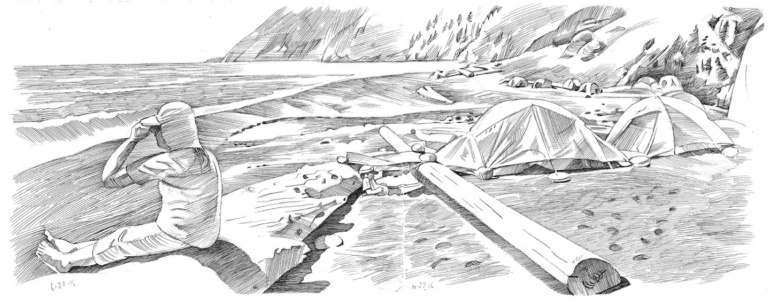
Jon’s early pen-and-ink work was something of an enigma to his teachers once he got into college and started taking traditional art classes. What you see, outwardly, in a simple pen-and-ink line drawing is not a traditional, completed statement of art; rather, it is a record of a meditative, quiet moment experienced in stillness, with observational faculties oriented to the presence of what can be experienced in a particular moment of time. In short, art for Jon became a devotional act. He kept experimenting, eventually switching to pencil on location to take in more of the richness of the scene, while not forsaking the line work that forms the basis for his compositions.
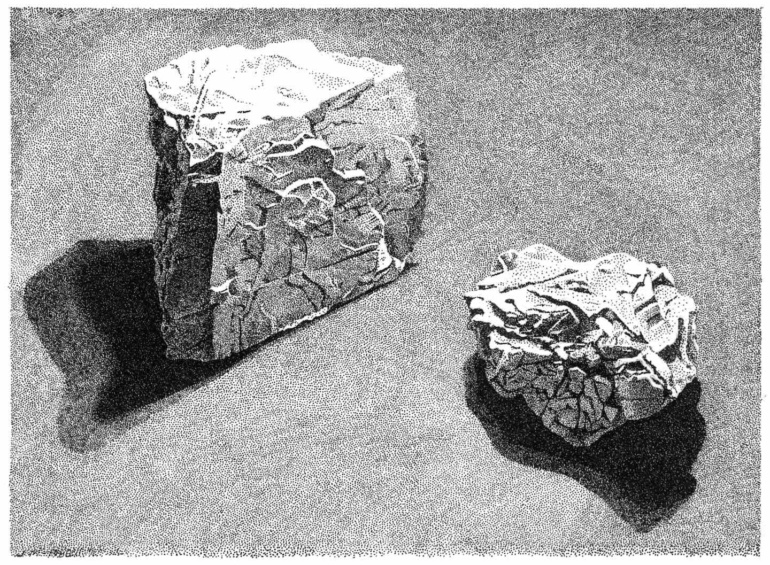
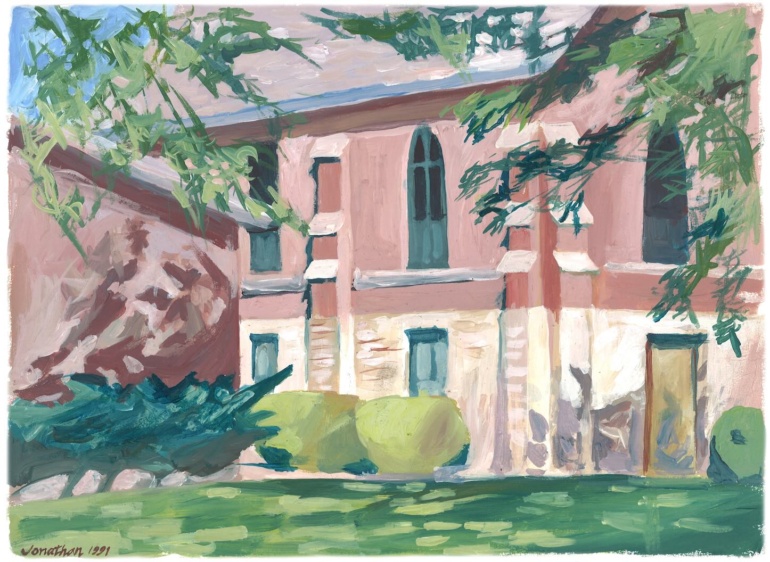
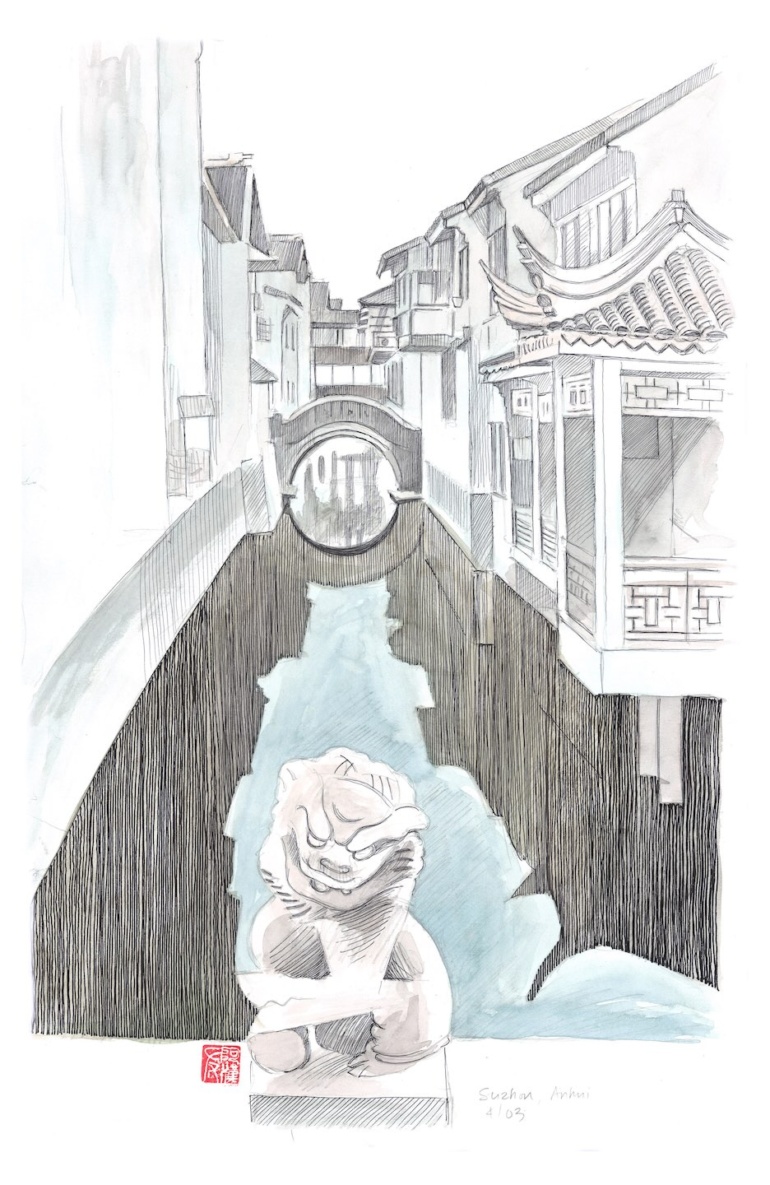
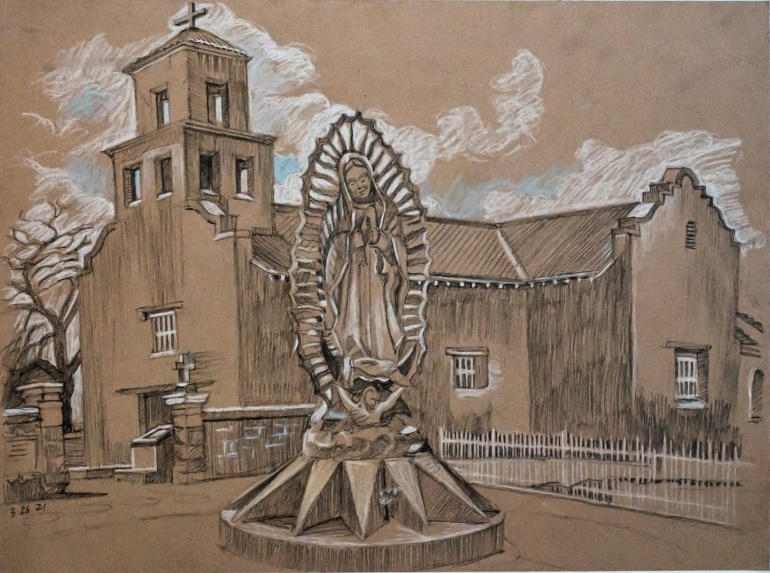
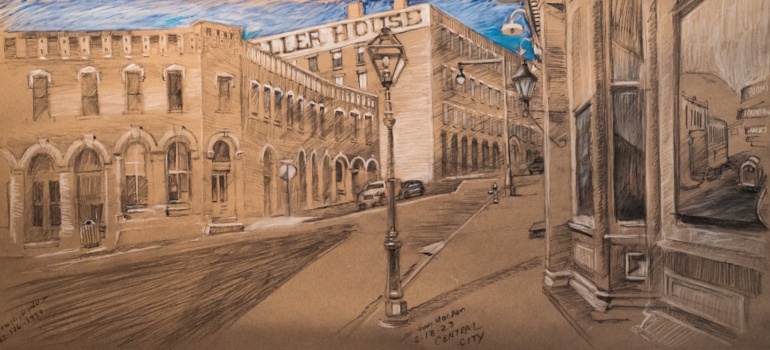
Jon has completed many botanical studies, portraits and landscapes, often with a focus on architecture, as well as a number of public murals depicting both the natural world and the social fabric of our humanity.
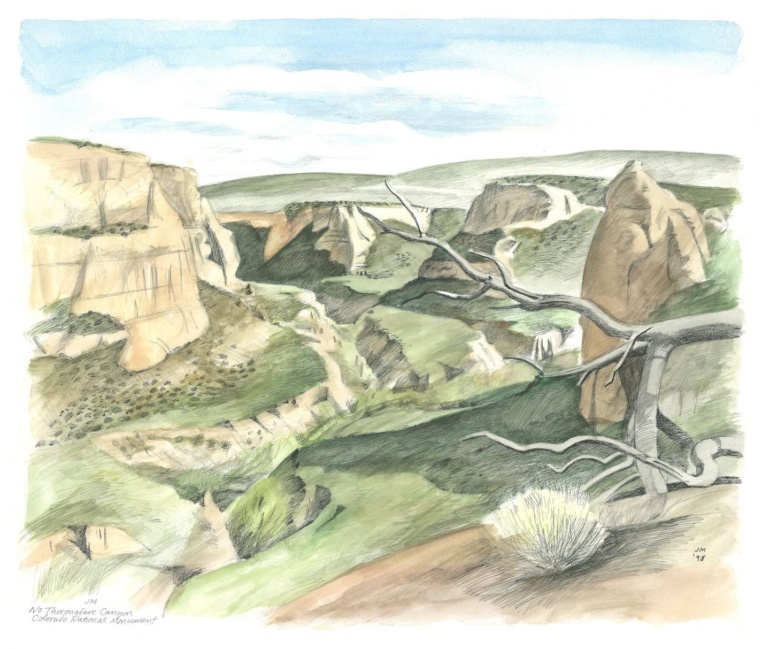
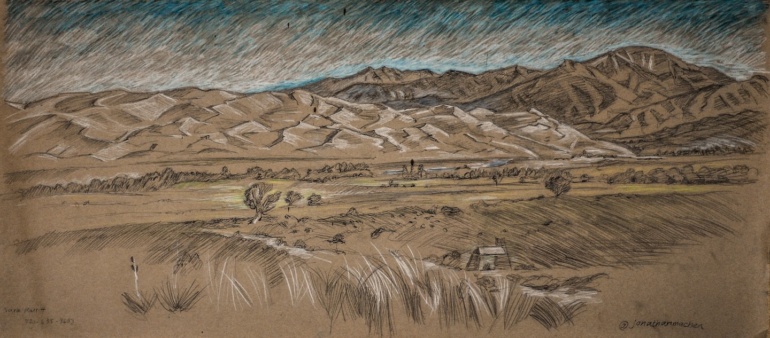
Jon’s artistic process has lent itself to exploring and drawing in many out-of-the-way places: a sketchbook and pencils are easy things to carry into the wilderness, or on bike adventures about town, or just about anywhere one might want to tap into the meditative mind.
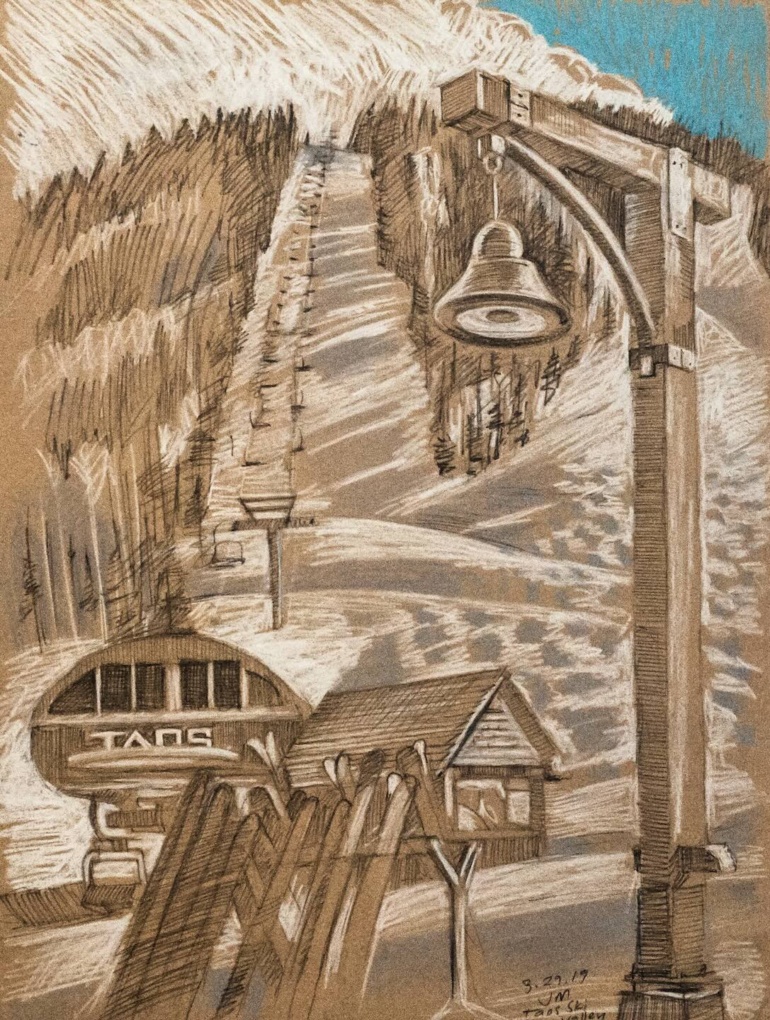
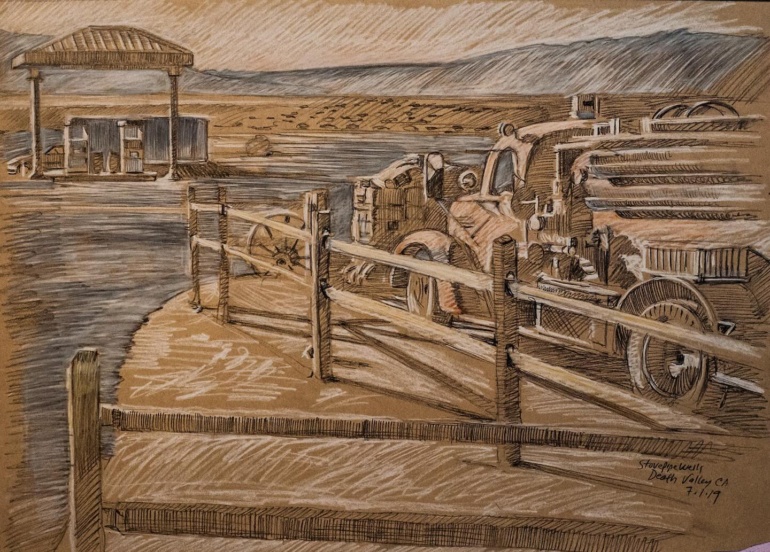
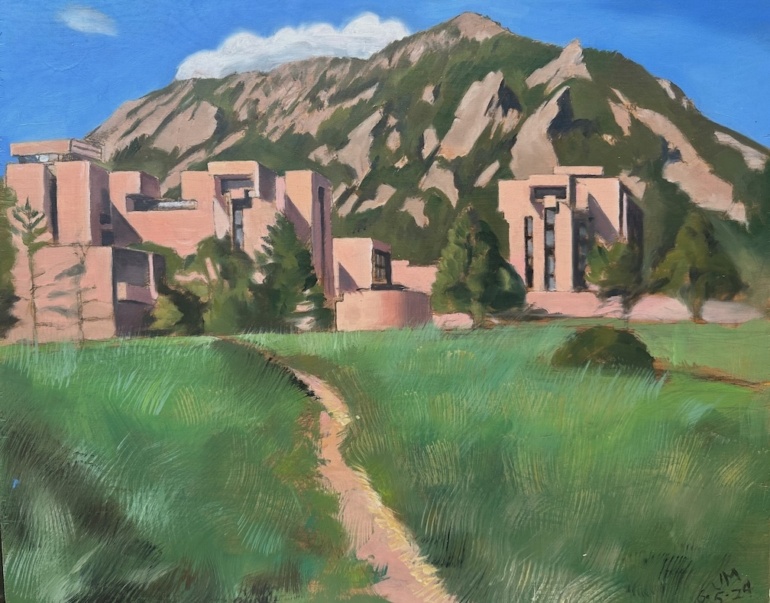
After many years of this plein-air approach, Jon began to use what he had learned from all this observation to complete more detailed drawings, shifting eventually to drawing on toned paper, or even directly on wood, attempting much larger pieces on location, as well as incorporating color.
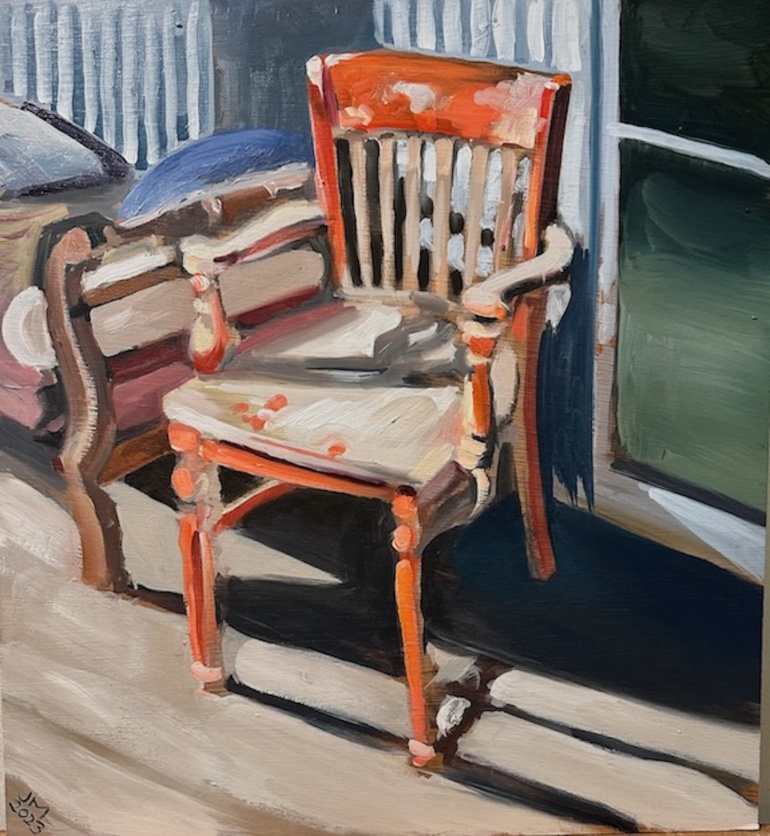
Although he still makes pen-and-ink drawings, Jon’s process and equipment has evolved over the years, as one needs different equipment to go bigger, as well as to be able to use color directly. This approach now allows him to incorporate light, shadow and color into his work, for a more painterly approach.
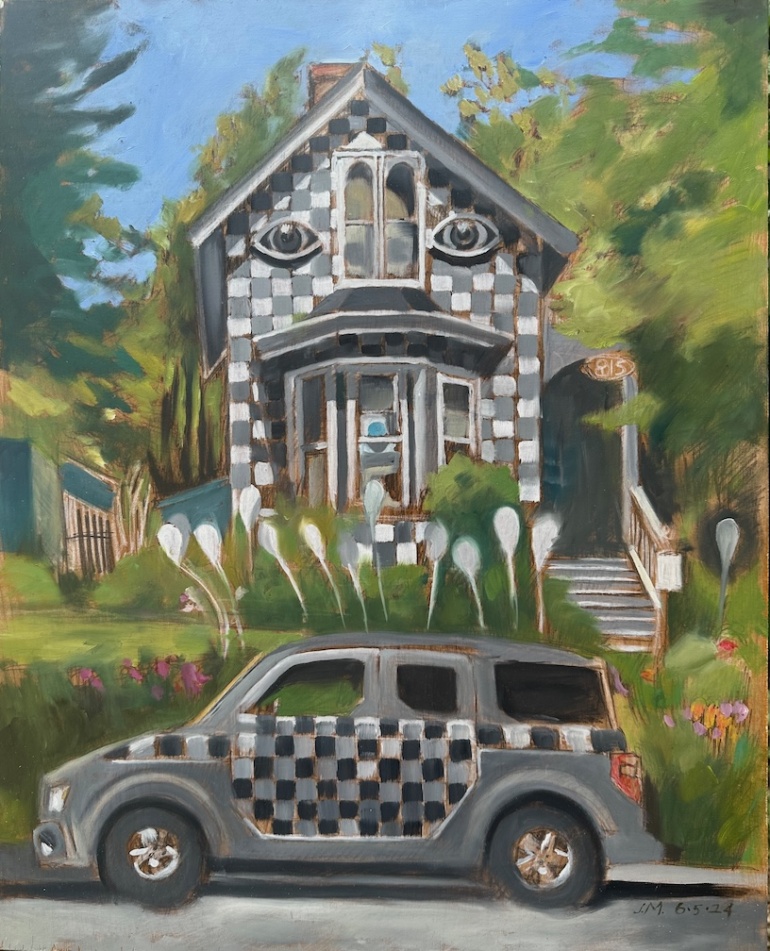
Jon combines his interest in portraiture, landscape and architecture with a social/political style, often using the principles of collage to make commentaries about our complicated world. His output now cycles between observing the landscape in plein-air (drawing and painting on location outside) to reflecting the social and political fabric we find ourselves bound by.
Jon’s pen-and-ink work has found its way onto many notecards and t-shirts over the years, and now, in his collaboration with Artfair Apparel, that tradition continues.